
Showing 1–24 of 62 results
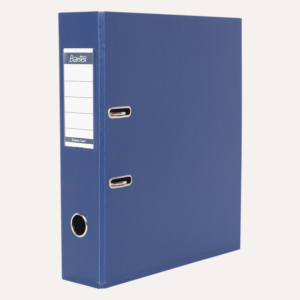
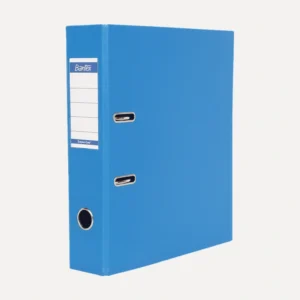
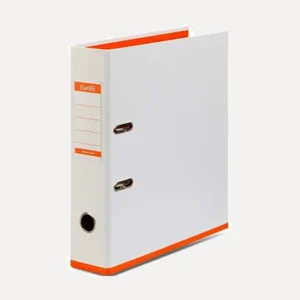
Bantex A4 Lever Arch File
Price range: R55,00 through R57,5070mmClearBlackCobalt BlueGreenLilacLime GreenOrangePinkRedTurquoiseWhiteNavy BlueBantex A5 PVC 2D-Ring 30mm Create-A-Cover – White
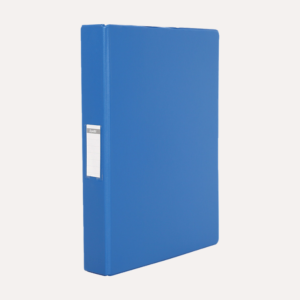
Original price was: R55,00.R53,00Current price is: R53,00.Bantex Create-A-Cover PVC D-Ring Binder A4
Price range: R66,00 through R103,0025mm40mm50mm2 D-Ring4 D-RingClearBlackBlueWhiteBantex PP 2 O-Ring Binder A4 25mm
R50,00ClearBlackBlueCobalt BlueGreenGreyLilacLime GreenOrangePinkRedTurquoiseWhiteYellowBantex PVC Lever Arch File A4
R88,0040mm70mmClearBlackBlueBurgundyCobalt BlueGreenGreyLime GreenOrangePinkRedYellowCroxley 2D Ring Polypropylene Binder
Original price was: R51,00.R49,50Current price is: R49,50.ClearBlackBlueGreenPurpleRedClearCroxley Everyday Board Lever Arch File No Rado
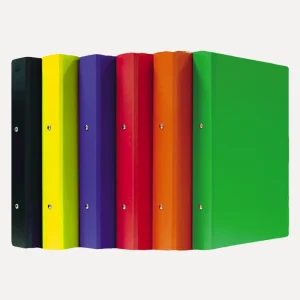
Original price was: R33,00.R27,00Current price is: R27,00.Esselte A4 2 Ring Binder 25mm Polypropylene
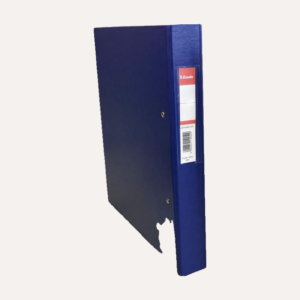
Original price was: R57,00.R48,00Current price is: R48,00.ClearBlackGreenOrangePinkRedYellowEsselte A4 2 Ring Binder 25mm Polypropylene – Blue
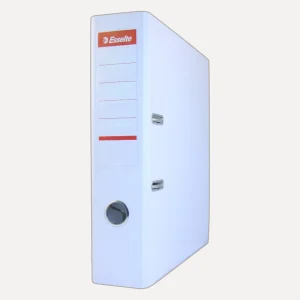
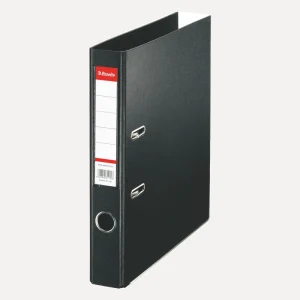
Original price was: R57,00.R48,00Current price is: R48,00.Esselte A4 Lever Arch File Polypropylene 70mm
Original price was: R81,00.R64,50Current price is: R64,50.ClearBlackBlueGreenGreyLilacOrangeRedTurquoiseWhiteYellowFreedom Stationery Lever Arch File, Black Mottle – Metal Compressor
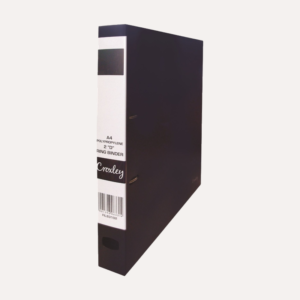
Price range: R28,50 through R30,50ClearStandardwith Rado ClipJD1006 Croxley Lever Arch File Board Foolscap 70mm Rado
Original price was: R54,00.R43,50Current price is: R43,50.JD1009 Croxley Lever Arch File Laminate 70mm
Original price was: R59,50.R45,00Current price is: R45,00.ClearBlueGreenRedYellow
Hottest Deals
-
Product on sale
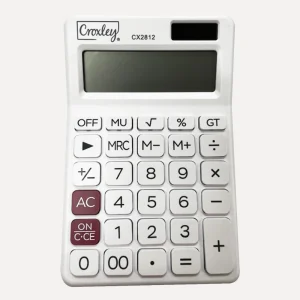
 Croxley Calculator CX2812 12 DigitOriginal price was: R125,00.R108,50Current price is: R108,50.
-
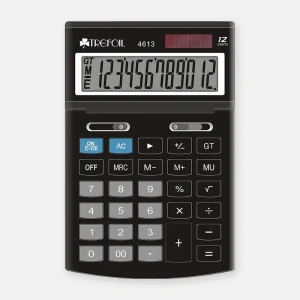
Product on saleTrefoil 12-Digit Desktop Calculator, LargePrice range: R138,00 through R149,00
-
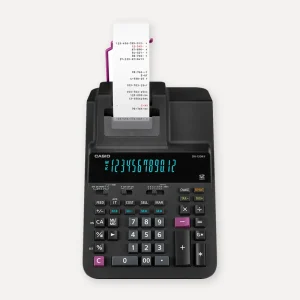
Product on saleCasio DR-120RII 12-Digit Heavy Duty Printing Calculator, 2-Colour PrintOriginal price was: R3 025,00.R2 677,00Current price is: R2 677,00.
-
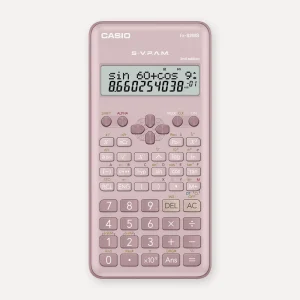
Product on saleCasio FX-82MS Scientific Calculator, PinkOriginal price was: R272,00.R228,00Current price is: R228,00.
Lever arch file or ring binder?
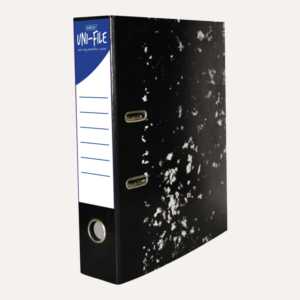
Both hold punched pages, but they do different jobs. A lever arch file has a lever that opens a large two-ring mechanism, plus a compressor bar that presses the stack flat. It holds far more paper than a ring binder and stands upright on a shelf, which is why accountants, HR departments and anyone facing year-end reach for one.
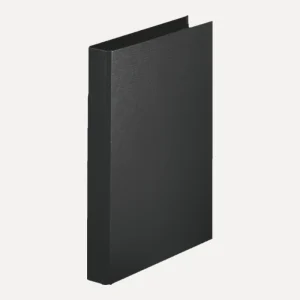
A ring binder has smaller rings that stay fixed in the spine. It is slimmer, lighter and easier to page through, so it suits school subjects, training manuals, recipes and anything you open often. If a learner carries it to school every day, a ring binder is also lighter in the bag.
Choosing a lever arch file: size, spine and cover
Paper size
- A4 is the everyday office and school size, and most of the range is A4.
- Foolscap is a little longer than A4 and is still used for legal, accounting and older archive filing. The JD1022 Croxley Lever Arch File Board Foolscap Giant 95mm has a 95mm spine for bulky year-end records.
- A3 and A5 files handle the odd sizes. The Treeline A3 Upright Lever Arch File takes punched plans, drawings, certificates and art work that won't fit an A4 file, and Treeline also makes A3 and Foolscap files in an oblong (landscape) format.
Spine width
A standard lever arch file has a 70mm to 80mm spine and holds roughly 500 sheets of 80gsm paper. Mini files, such as the Treeline A4 Mini Lever Arch File PVC and the Treeline A4 40mm Mini Lever Arch File, are slimmer for smaller sets of documents and take up less room on a shelf. Giant files with a 95mm spine are for archives that keep growing.
Cover material
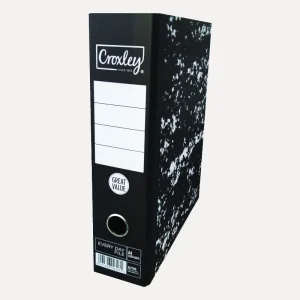
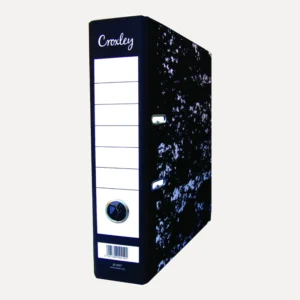
- Board (often black mottled) is the classic, no-frills office file. The Croxley Everyday Board Lever Arch File No Rado is a straightforward choice for archiving invoices and general paperwork.
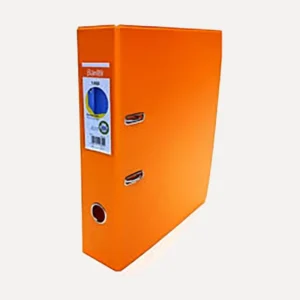
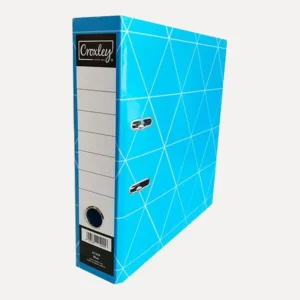
- PVC and polypropylene (PP) covers are water resistant and wipe clean, and they come in colours for colour-coded filing. The JD1029 Croxley Lever Arch File A4 70mm has a polypropylene cover in black, blue, red and green.
- Laminated board sits in between, with a tougher outer finish than plain board.
Rado or no Rado
You will see "Rado" in many file names. Rado files, such as the Marlin Rado Board Lever Arch File A4 70mm, have a cover lock that holds the file shut, and "No Rado" files leave it out. Check the compressor as well: metal compressors are standard, and some files use a plastic compressor to hold papers flat.
Choosing a ring binder
Ring binders differ in ring shape and capacity more than anything else.
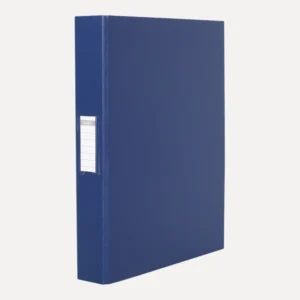
- O-ring binders have round rings and are the everyday school binder, usually with 2 rings and a 25mm capacity.
- D-ring binders have D-shaped rings that let pages lie flat against the spine, so they hold a little more and turn more neatly. The Nexx PP Ring Binder A4 2 D-Ring 25mm has a wipe-clean polypropylene cover.
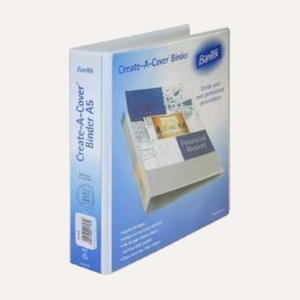
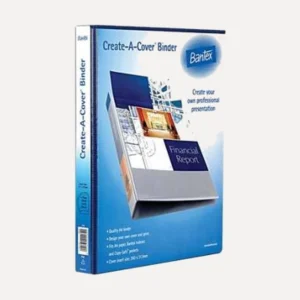
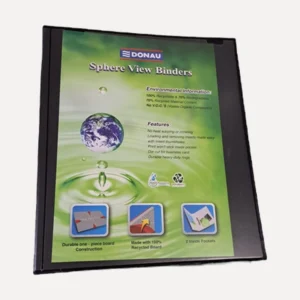
- Presentation binders, such as the Bantex Create-A-Cover PVC D-Ring Binder A4, have a clear PVC overlay so you can slide in your own cover page and spine label. They come with 2 or 4 D-rings in 25mm to 50mm sizes, which suits proposals, training manuals and portfolios.
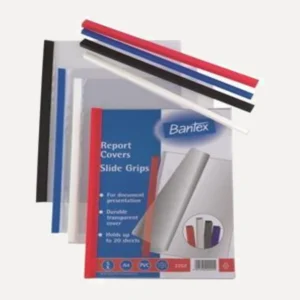
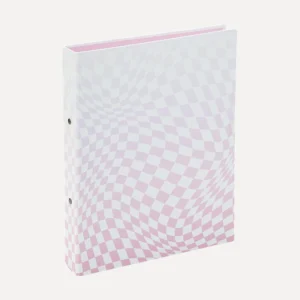
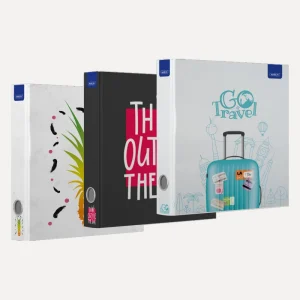
For the school run, board and polypropylene binders in fun colours and check prints from Colour Me, Marlin and Freedom Stationery make each subject easy to spot. Slide binders and report covers are also in this range for single assignments that don't need rings at all.
Set up a filing system that works
- Pick one colour per client, department or school subject, and stick to it.
- Label every spine. Tower and Redfern lever arch labels are in our sticky notes and labels range.
- Punch pages neatly with a 2-hole punch from staplers, staples and punches, and add ring reinforcement labels to pages you open often.
- Use dividers so each month, client or subject opens straight away.
- Move old years into archive and storage boxes to free the shelf.
Need ruled paper that drops straight into a learner's binder? Our paper range has punched feint and margin sheets. For help choosing, WhatsApp or call 075 276 1362, or email [email protected]. We deliver door to door across South Africa, usually in 3 to 5 working days, and businesses can ask for a tax invoice.
Questions we get asked
What is a lever arch file used for?
A lever arch file stores large amounts of punched paper, such as invoices, contracts, HR records and year-end documents. The lever opens a large two-ring mechanism and a compressor holds the pages flat, so the file stands upright on a shelf and keeps hundreds of pages in order.
How many pages fit in a lever arch file?
A standard lever arch file with a 70mm to 80mm spine holds roughly 500 sheets of 80gsm paper. Mini lever arch files hold less and suit smaller document sets, while giant files with a 95mm spine hold more for bulky archives.
What is the difference between a lever arch file and a ring binder?
A lever arch file has a large lever mechanism and holds far more paper, which suits archiving. A ring binder has smaller fixed rings, is slimmer and lighter, and is easier to page through, which suits school notes, manuals and documents you open often.
What does Rado mean on a lever arch file?
On lever arch files, Rado refers to a cover lock that keeps the file closed on the shelf. Files labelled No Rado, such as the Croxley Everyday Board Lever Arch File No Rado, have the standard lever mechanism without that lock.
What is the difference between an O-ring and a D-ring binder?
O-rings are round and are the classic everyday binder. D-rings have a flat side that sits against the spine, so pages lie flatter, turn more neatly and the binder holds a little more for the same ring size.
Is Foolscap bigger than A4?
Yes. Foolscap is a little longer than A4, and Foolscap lever arch files are still used for legal, accounting and older archive filing. If your documents are A4, an A4 file is the neater fit on the shelf.