Showing 1–24 of 210 results
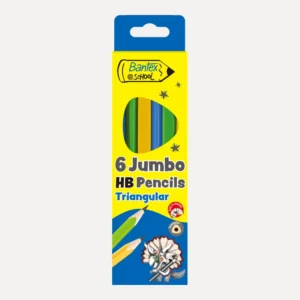
Bantex @School Beginners Jumbo Pencil, HB – Pack of 6
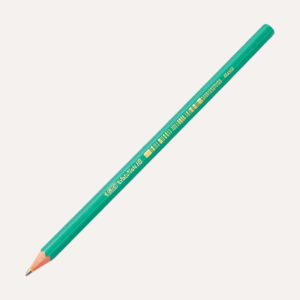
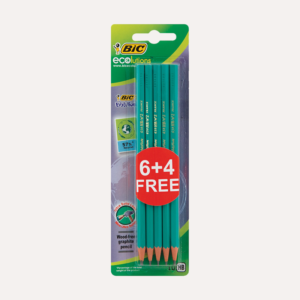
Original price was: R48,50.R38,00Current price is: R38,00.BIC Ecolution Evolution Pencil, HB
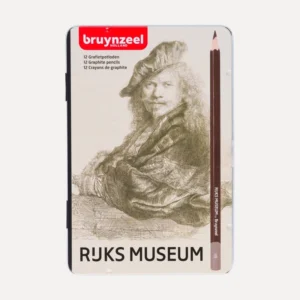
Original price was: R3,50.R3,00Current price is: R3,00.Bruynzeel Dutch Masters Graphite Pencils Tin, Tin of 12
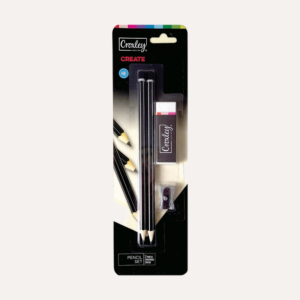
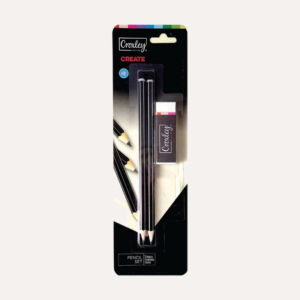
Original price was: R269,00.R239,00Current price is: R239,00.Croxley Create 2xhb Pencil Value Pack + Eraser + Sharpener
Original price was: R37,00.R32,50Current price is: R32,50.Croxley Create Environmental Young Student Pencils, 2B – Box of 10
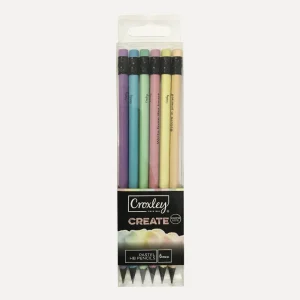
Original price was: R84,00.R79,50Current price is: R79,50.Croxley Create Pastel HB Pencils Wood-Free, Packet of 6
Original price was: R21,00.R19,50Current price is: R19,50.Croxley Create Pencil 2xhb & 1 Eraser
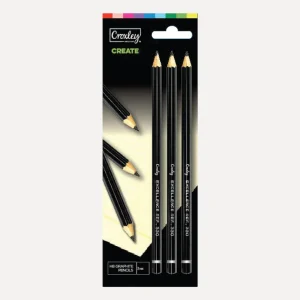
Original price was: R30,50.R28,50Current price is: R28,50.Croxley Create Pencils Hb 3 Pack Card
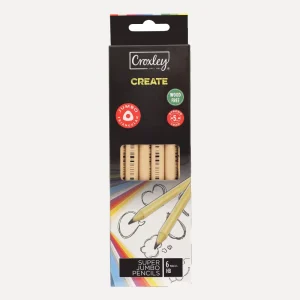
Original price was: R21,50.R20,50Current price is: R20,50.Croxley Create Super Jumbo HB Pencils Wood-Free, Packet of 6
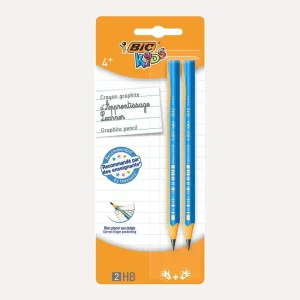
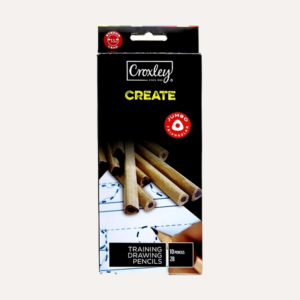
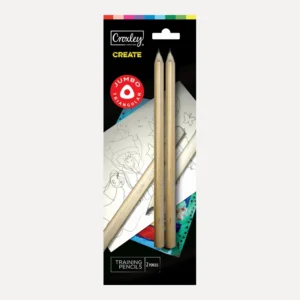
Original price was: R30,00.R27,50Current price is: R27,50.Croxley Create Training Pencil 2B, Carded – Pack of 2
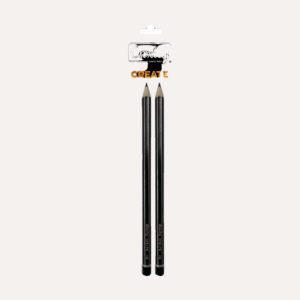
Original price was: R23,00.R21,50Current price is: R21,50.Croxley Excellence Graphite Pencils – Card of 2
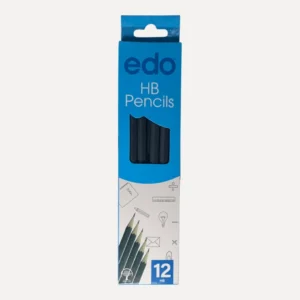
Original price was: R21,00.R19,00Current price is: R19,00.Clear2B2H4B6BEdo HB Pencils, Pack of 12
R18,50
Hottest Deals
-
Product on sale
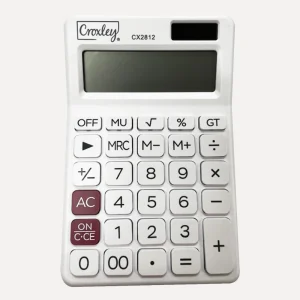
 Croxley Calculator CX2812 12 DigitOriginal price was: R125,00.R108,50Current price is: R108,50.
-
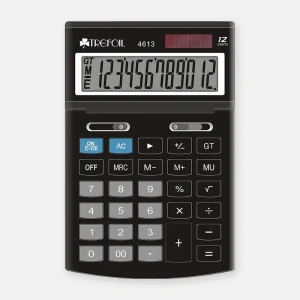
Product on saleTrefoil 12-Digit Desktop Calculator, LargePrice range: R138,00 through R149,00
-
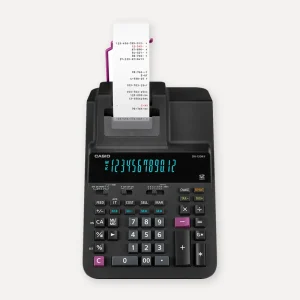
Product on saleCasio DR-120RII 12-Digit Heavy Duty Printing Calculator, 2-Colour PrintOriginal price was: R3 025,00.R2 677,00Current price is: R2 677,00.
-
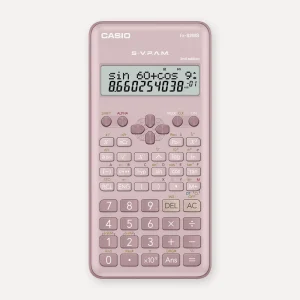
Product on saleCasio FX-82MS Scientific Calculator, PinkOriginal price was: R272,00.R228,00Current price is: R228,00.
How pencil grades work: HB, 2B, H and the rest
The letters on a pencil tell you how hard its graphite core is. H stands for hard: H, 2H and 4H pencils give lighter, finer lines that smudge less. B stands for black: 2B, 4B and 6B are softer and darker, and need less pressure. HB sits in the middle, which is why it is the standard school pencil.
- HB pencils: writing, maths, homework and tests.
- 2B: a darker line with a light touch, often used for early writers and for shading.
- H and 2H: light construction lines in technical drawing and geometry.
- 4B to 8B: deep shadows and expressive sketching.
Check the school list before you buy. Most ask for HB, but some Foundation Phase teachers prefer 2B for new writers.
HB pencils for school
For daily schoolwork, a good HB pencil should sharpen cleanly and not snap every time it is dropped. The Staedtler Tradition 110 HB Pencil is break-resistant and easy to sharpen, and you can buy it single, as a carded pack of 3 or as a box of 12. The Faber-Castell Scholar 1111 HB Pencils, Card of 6 have a hexagonal barrel and SV bonding, which helps prevent lead breakage.
You will also find wood-free pencils from Butterfly, Croxley Create and Scripto, eraser-tipped pencils and boxes of 12 in the graphite and HB pencils range. Buy a box rather than a single, because school pencils go missing fast.
Beginner and jumbo pencils
Small hands find thin pencils hard to control. The Marlin Jumbo Triangular Pencil, HB has a thick three-sided barrel that is easy to grip and encourages a correct pencil hold for early handwriting. Staedtler, Faber-Castell, Scripto and Bantex all make jumbo beginner pencils too, some sold with a matching sharpener, because a fat pencil needs a fat sharpener hole.
Mechanical pencils and clutch pencils
A mechanical pencil never needs sharpening and gives the same line width all day, which is why high school and varsity students switch to them for maths, science and note-taking. In South Africa most people call them clutch pencils. Strictly, a clutch pencil grips a thick 2mm lead and is used for drafting, while a mechanical pencil pushes out a thin lead with a click.
The lead size is printed on the pencil, and the refill has to match:
- 0.3mm: very fine lines for detailed technical work.
- 0.5mm: the most common size for everyday writing.
- 0.7mm: a bolder line, and a thicker lead is less likely to snap under heavy pressure.
- 0.9mm: bold, sturdy writing and quick sketching.
- 2mm: drafting and sketching in a clutch or lead holder.
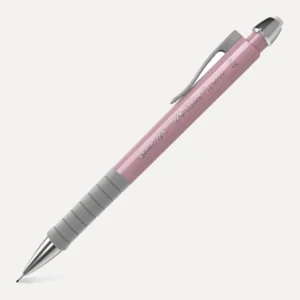
The Pilot Super Grip Clutch Pencil 0.5mm has a cushioned rubber grip for long writing sessions. The Rotring Tikky Mechanical Pencil has a light barrel and a textured grip zone, and is used for school work, drawing and drafting. Pilot also makes the H123, H125, H127 and H129 automatic pencils in 0.3mm, 0.5mm, 0.7mm and 0.9mm. Browse every mechanical pencil and clutch pencil we stock, and keep spare leads from Pentel, Pilot, Faber-Castell and Rotring in the pencil case.
Drawing pencils and sketching pencils
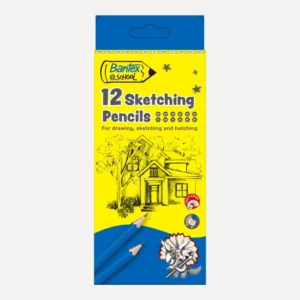
Art students need a spread of grades rather than one pencil. The Bantex @School Sketching Pencils, Set of 12 Grades runs from 8B to 6H, so there are hard leads for light lines and soft leads for deep shading. The Faber-Castell Goldfaber Graphite Sketch Set, Tin of 12 covers 4H to 6B in a metal tin, and the Staedtler Mars Lumograph Sketch Pencil Set has break-resistant leads for clean outlines and darker shading.
For something different, the Faber-Castell Graphite Aquarelle Water-Soluble Pencils, Tin of 5 come in HB, 2B, 4B, 6B and 8B. Draw dry, then work over the lines with a wet brush for watercolour-style washes.
A simple drawing pencil kit
- 2H for light layout lines you can rub out easily.
- HB for outlines.
- 2B and 4B for mid-tones.
- 6B or 8B for the darkest shadows.
Find graded tins and charcoal sets in sketching and charcoal sets.
Sharpeners, erasers and pencil packs
A pencil is only half the job without a sharpener that fits it and an eraser that does not smudge. Our pencil packs and combos bundle HB pencils with a sharpener and eraser. Not sure which pencils your school wants? WhatsApp or call us on 075 276 1362 and we will help you choose. Orders are delivered door to door across South Africa, usually within 3 to 5 working days, with tracking sent when your parcel ships.
Questions we get asked
What is the difference between HB and 2B pencils?
HB is a medium graphite grade that gives a clear, even line and smudges little, so it is the standard for writing at school. 2B is softer and darker, so it needs less pressure. Many teachers use 2B for young writers and for shading in art.
Which pencil is best for school?
For most grades, an HB pencil that is break-resistant and easy to sharpen, such as the Staedtler Tradition 110 or Faber-Castell Scholar 1111. Young learners do better with a jumbo triangular pencil. Always check your school list, or upload your school list and we will match it.
What size lead does a mechanical pencil use?
The size is printed on the pencil. 0.5mm is the most common for everyday writing, 0.3mm gives very fine lines, and 0.7mm and 0.9mm give bolder lines and break less easily. 2mm leads are used in clutch pencils for drafting. Refills must match the pencil size.
Is a clutch pencil the same as a mechanical pencil?
In South Africa the two names are used for the same thing. Technically, a clutch pencil has jaws that grip a thick 2mm lead and is used for drafting, while a mechanical pencil pushes out a thin lead such as 0.5mm or 0.7mm each time you click.
What pencils do I need for drawing and sketching?
Start with a graded set rather than single pencils. A set from about 2H to 6B covers light construction lines, outlines, mid-tones and dark shadows. Sets such as the Bantex @School 12-grade set or the Faber-Castell Goldfaber tin give you the full range in one pack.
How long does pencil delivery take?
We deliver door to door across South Africa. Standard delivery takes 3 to 5 working days, and can take longer for outlying areas. You will get tracking details as soon as your order is dispatched.